

India’s 77th Republic Day: A Year of Life-Science Momentum—and What Comes Next
On 26 January 2026, India marks its 77th Republic Day—a reminder that our strongest breakthroughs are built on strong institutions: the Constitution, scientific integrity, and a shared commitment to public good.
Over the past year, India’s life-sciences ecosystem moved decisively from “promise” to “platforms”—with visible progress in genomics, biomanufacturing, translational research, and regulatory modernization. Here’s what stood out, and what it signals for the road ahead.
Key life-science developments over the past year
1) Population genomics took a major leap forward
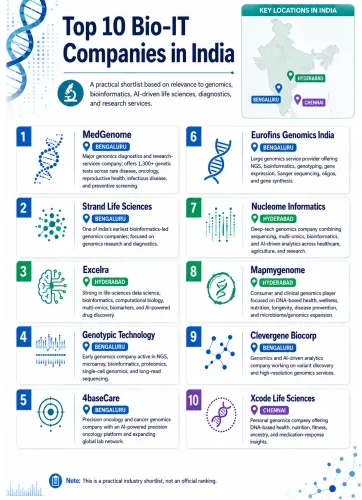
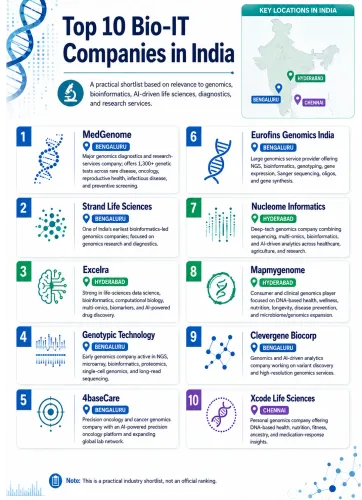
India’s genomics capability entered a new phase with the release of whole genome sequences of 10, 000 individuals across 99 populations under the Genome India Project, enabling more representative research and stronger foundations for precision health.
What’s next is equally important: the program is expected to expand into disease-specific studies (rare disorders, cancer, lifestyle and neurological conditions), shifting from “cataloguing diversity” to “driving clinical insights.”
Why it matters: better baseline genomic data improves interpretation, reduces bias, and accelerates diagnostics, biomarker discovery, and therapeutic research.
2) Bioeconomy growth became more measurable—and more strategic
Government-backed reporting highlighted India’s bioeconomy growth to $165.7B in 2024, with a national target of $300B by 2030—a strong signal of policy and industry alignment toward scale.
In parallel, DBT and BIRAC launched High Performance Biomanufacturing Platforms to strengthen infrastructure access for startups, SMEs, industry, and academia—bringing scale-up closer to innovators.
Why it matters: India’s next growth chapter depends on moving from discovery to repeatable, scalable biomanufacturing.
3) Translational milestones showed India’s capability depth
India also recorded progress in advanced therapeutics—such as the DBT-supported first-in-human gene therapy for severe Hemophilia A in a single-center study, pointing to growing competence in high-complexity translational science.
Why it matters: it signals maturity across vectors, clinical translation, and long-term outcome tracking—capabilities that raise the ceiling for innovation.
4) Regulatory modernization gained pace
India issued new rules/guidelines aimed at making approvals and expert review processes more structured, transparent, and predictable, including clearer frameworks around expert committee functioning.
Why it matters: innovation scales faster when regulatory pathways are clear, consistent, and quality-focused.
5) Medical devices, diagnostics, and state-level ecosystems strengthened
States are actively positioning themselves as life-science and med-tech hubs—supporting diagnostics and device manufacturing ecosystems through investment and policy focus.
Why it matters: decentralised hubs reduce cost, improve access, and create faster pathways from prototyping to adoption.
What India’s life-sciences future needs (2026 and beyond)
1) BioE3-led biomanufacturing at national scale
The BioE3 Policy (Biotechnology for Economy, Environment and Employment) provides a long-range direction for high-performance biomanufacturing, aligning innovation with sustainability and employment.
Expect increasing focus on bio-based manufacturing, biofoundries, and platforms that compress development timelines.
2) Precision health and disease-first genomics
The next wave of genomics will be judged by outcomes: earlier diagnosis, better stratification, and stronger evidence for Indian populations—not just data volume.
3) Quality systems that match global expectations
As India’s output scales, quality will be the differentiator—strong QC, reliable methods, tighter impurity control strategies, and audit-ready documentation.
4) Faster productization cycles through integrated testing + data interpretation
The winners will be teams that integrate characterization, analytics, stability, and interpretation into one coherent loop—reducing iteration time and improving decisions.
Our commitment at Dextrose Technologies Pvt. Ltd.
As India’s life-sciences ecosystem advances, the demand for reliable testing, clear reporting, and faster decision-making increases. At Dextrose Technologies, we support this momentum through analytical and research services designed for accuracy, documentation quality, and practical interpretation—helping teams move from sample to conclusion with confidence.
🇮🇳 Happy 77th Republic Day, India.
Let’s build a future where science strengthens health, industry, and sustainability—together.
Jai Hind!