
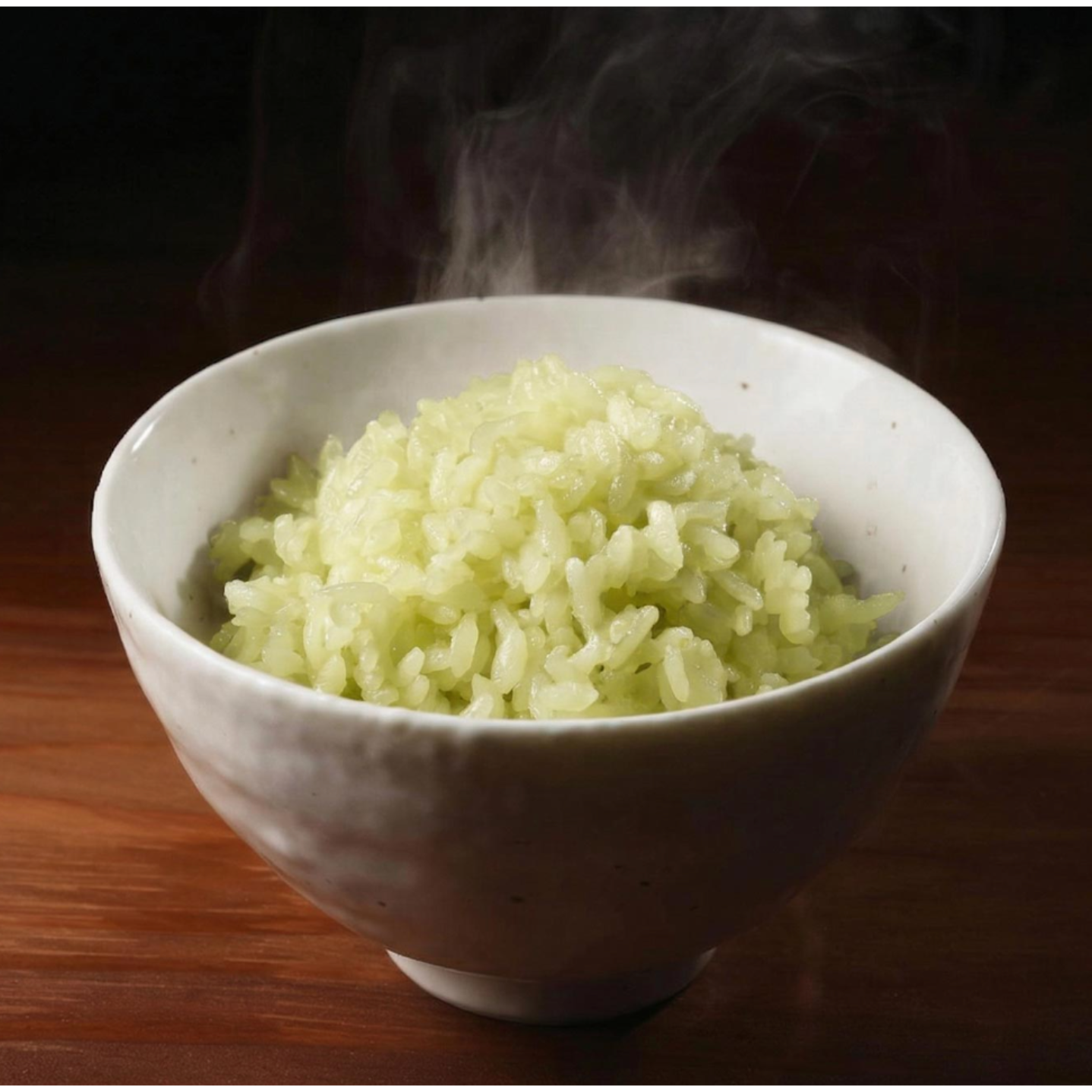
Rice is a staple food for more than half of the global population, yet its complete nutritional profile remains incompletely understood. It is composed predominantly of starch (>85%), along with moderate amounts of protein (~10%), lipids (~2%), vitamins, and trace elements. Despite their low abundance, lipids have often been overlooked, even though they significantly influence nutrition, flavor, and grain quality.
To address this gap, researchers at Hokkaido University investigated japonica rice—a short- to medium-grain variety commonly known as Japanese rice, which accounts for about 15% of global consumption and is characterized by its soft, slightly sticky texture when cooked. The study analyzed 56 cultivars from across Japan, including brown, red, green, and black rice, with findings published in Food Research International.
“Although lipids constitute only a small fraction of rice, they play a critical role in determining its nutritional value, ” explains lead author Associate Professor Siddabasave Gowda. “They contribute to cell membrane integrity, serve as energy reserves, and support essential signaling processes in the body.”
Modern analytical techniques, such as liquid chromatography and mass spectrometry, now enable detailed profiling of food lipids. Using these approaches, the researchers identified 196 distinct lipid molecules across five major classes in japonica rice.
This work forms part of a broader effort to uncover previously unknown bioactive lipids through advanced analytical methods. “Our research group has also identified novel bioactive lipids in Japanese dietary sources such as fish, herbal teas, and seaweeds, ” Gowda adds, “shedding light on the country’s underexplored lipid-rich food resources.”