Bangalore
08042753298
+919686928701

Items tagged with 'microbiological techniques laboratory training'

68179d65be22ee500d53ff54 Card 2

product image
Thermal Analysis & Characterization

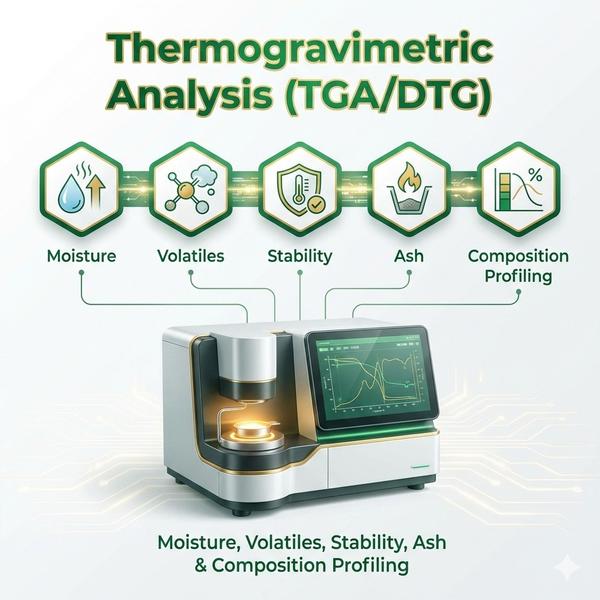
At Dextrose Technologies Pvt. Ltd., we provide Thermogravimetric Analysis (TGA) and Derivative Thermogravimetric Analysis (DTG) for thermal and physicochemical characterization of materials. TGA measures weight change vs temperature/time, while DTG highlights rate of mass loss, helping you evaluate moisture/volatile content, thermal stability, decomposition stages, ash/residue, and composition trends in multi-component systems. Thermogravimetric Analysis (TGA) We generate TGA curves to quantify mass loss steps and residual mass under defined heating programs and atmospheres (as per scope). Derivative Thermogravimetric Analysis (DTG) DTG profiles help separate overlapping events and identify key decomposition temperatures by showing the mass-loss rate peaks. Moisture and Volatile Content Determination We quantify early-stage mass loss attributed to moisture and low-boiling volatiles, useful for raw material control and process optimization. Thermal Stability and Decomposition Profiling We assess onset temperatures and decomposition stages to compare batches, evaluate stability, and understand thermal behavior under heating. Ash Content and Residue Analysis We report final residue/ash percentage to support inorganic content assessment and compositional comparison. Composition Analysis of Multi-Component Systems We interpret multi-step mass-loss behavior to provide composition insights (e.g., binder/filler/organic fraction trends), with recommendations for confirmatory techniques if required. Deliverables * TGA and DTG curves with key temperatures (onset/peaks) * % mass loss by stage + final residue/ash % * Comparative summary across samples/batches * Interpretation notes aligned to your objective Get started Share your material type, expected temperature range, sample form, and objective (moisture, stability, ash, composition). We’ll recommend the right TGA/DTG program and reporting format.

68179d65be22ee500d53ff54 Card 2

product image
Chromatography services

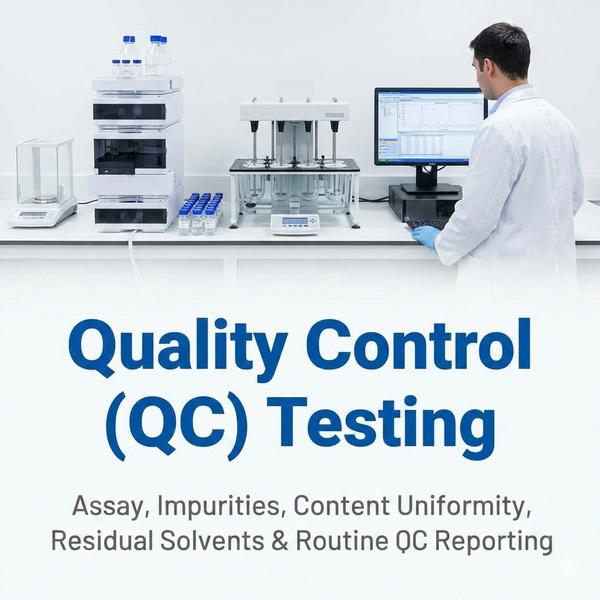
At Dextrose Technologies Pvt. Ltd., we provide Quality Control (QC) Testing to support batch release, routine compliance, and in-process control. Our chromatography-based QC services deliver consistent, calibration-based results with clear documentation and regulatory-aligned reporting. We help you reduce batch risk, maintain trendable quality metrics, and move faster through internal QA review. Assay Testing (HPLC / RP-HPLC) Accurate content estimation for APIs, intermediates, and formulations using validated/optimized chromatographic methods and standards-based quantification. Related Substances / Impurity Profiling Separation and monitoring of related substances and impurities to support batch comparison, process control, and product quality assessment. Content Uniformity Testing Testing to evaluate dosage consistency across units with structured reporting for easy review and trending. Residual Solvent Analysis (GC-FID / HS-GCMS) Residual solvent quantification using GC-FID or Headspace GCMS, based on target solvent list, matrix, and required limits (ICH Q3C-oriented where applicable). Volatile Impurity Testing Volatile impurity profiling for troubleshooting and routine QC checks using GC techniques suited to your sample type. System Suitability & Routine QC Analysis System suitability testing (SST) and routine batch analysis with documented acceptance checks and clean reporting. Cleaning Validation Sample Analysis HPLC/GC-based analysis of swab/rinse samples for trace residues to support cleaning validation programs (scope-dependent). Outcome you can expect * Batch release readiness with consistent analytical outputs * Ongoing quality monitoring with trend-ready results * Clear, regulatory-aligned reporting for internal QA and client documentation Get started Share your product type, analyte list, specifications/limits, and sample count. We’ll recommend the most efficient QC

68179d65be22ee500d53ff54 Card 2

product image
Chromatography services

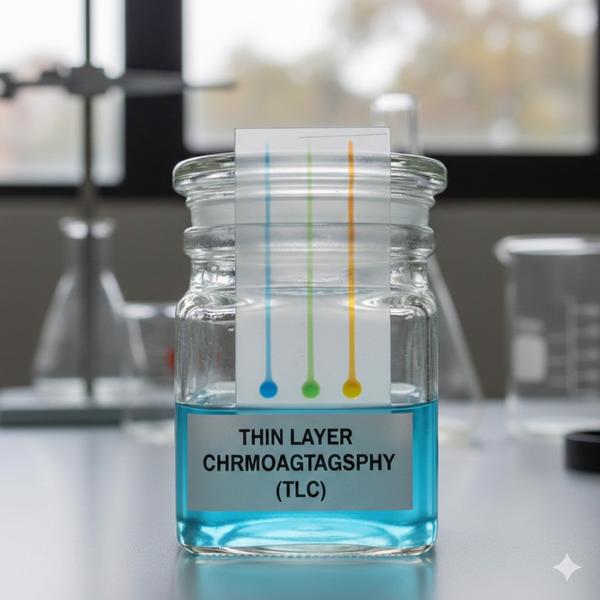
At Dextrose Technologies Pvt. Ltd., we offer Thin Layer Chromatography (TLC) services for rapid, cost-effective qualitative analysis of compounds and mixtures. TLC is ideal for reaction monitoring, quick purity checks, and herbal/phytochemical screening before moving to advanced techniques like HPLC, LCMS, or GCMS. We deliver clear plate documentation and interpretation to support fast decisions in R&D and QC workflows. Qualitative Compound Identification We support qualitative identification using Rf values and spot visualization under appropriate detection conditions, enabling quick comparison against references or known samples (when provided). Reaction Monitoring We monitor chemical reactions and process steps by tracking the appearance/disappearance of spots over time, helping you decide end-point completion and optimize conditions. Purity Checks We perform quick purity checks to detect major impurities or multiple components in a sample, supporting batch comparison and early-stage QC screening. Herbal and Phytochemical Screening We use TLC for preliminary screening of herbal extracts and phytochemical fractions to guide fractionation, method development, or targeted analysis. Deliverables * TLC plate images/documentation * Rf values and observation summary * Interpretation notes aligned to your objective * Optional recommendation for confirmatory HPLC/LCMS/GCMS when needed Get started Share your sample type, solvent system preference (if any), and objective (ID/reaction monitoring/purity/herbal screening). We’ll recommend an efficient TLC workflow.

68179d65be22ee500d53ff54 Card 2

product image
Microbiology Services

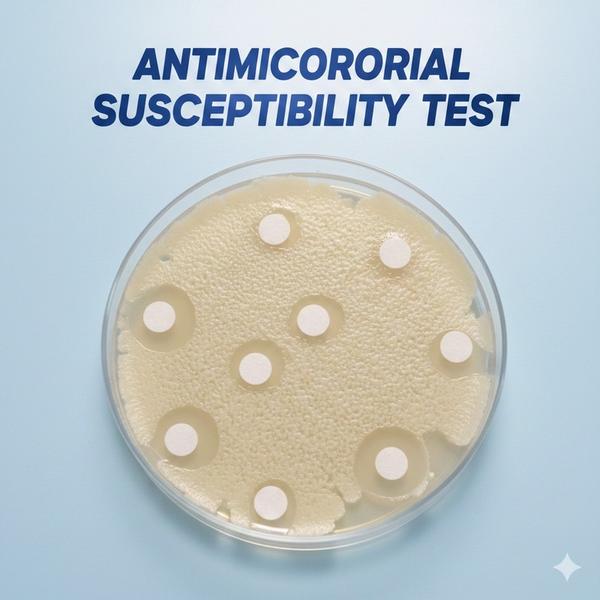
At Dextrose Technologies Pvt. Ltd., we provide antimicrobial susceptibility and efficacy testing to help researchers and product teams evaluate how bacteria and fungi respond to antimicrobial agents. Our testing supports R&D, comparative screening, formulation development, and quality investigations with controlled study conditions, clear documentation, and decision-ready reporting. Antimicrobial Susceptibility Testing (AST) Disc Diffusion Method: Zone-of-inhibition based screening for comparative susceptibility assessment. MIC Determination: Minimum Inhibitory Concentration to identify the lowest concentration that inhibits visible growth. MBC Determination: Minimum Bactericidal Concentration to assess killing endpoints where required. Time-Kill Assays (Kill Curve Studies) We evaluate antimicrobial effect over time by measuring viability at defined timepoints, enabling comparison of efficacy kinetics across agents or concentrations. Antifungal Susceptibility Testing Susceptibility assessment for fungal isolates against antifungal agents, supporting research and screening objectives. Synergistic and Combination Studies We assess combination effects (additive/synergistic/antagonistic trends) to support optimization of multi-agent strategies and formulations. Deliverables Results summary (AST/MIC/MBC/time-kill outputs as applicable) Data tables and interpretation notes aligned to your objective Clear documentation of test conditions and sample identifiers Note: Testing is intended for laboratory, research, and quality purposes. Clinical decisions should be made only by qualified healthcare professionals.

68179d65be22ee500d53ff54 Card 2

product image
Microbiology Services

At Dextrose Technologies Pvt. Ltd., we offer Microbial Isolation & Identification services to support research, quality testing, and industrial microbiology. Using sterile, standardized workflows, we isolate microbes from diverse samples, establish pure cultures, apply differential staining, and perform morphology/biochemical-based characterization to generate reliable identification support and clear documentation. Bacterial Isolation and Pure Culture Establishment We perform culture enrichment, streaking, and colony purification to obtain pure bacterial cultures with contamination control and growth documentation. Fungal Isolation and Identification We isolate fungi using appropriate media and incubation conditions, followed by macroscopic and microscopic assessment for identification support. Microbial Staining Techniques We provide staining-based visualization for differentiation and purity checks, including: * Gram staining – Gram reaction and bacterial morphology * Spore staining – endospore detection and differentiation * Acid-fast staining – detection of acid-fast organisms (where applicable) Morphological and Biochemical Characterization We document colony characteristics and microscopic features and perform basic biochemical characterization as per scope, enabling practical classification support for R&D and QC needs. Deliverables * Culture observations (growth pattern, colony morphology) * Staining results with interpretation notes * Microscopy images (where applicable) * Summary report with clear conclusions and next-step recommendations if needed Get started Share your sample type, objective (screening/QC/troubleshooting), and number of samples—we’ll propose the right isolation and identification workflow.

Still searching for
microbiological techniques laboratory training?