
>> Overview
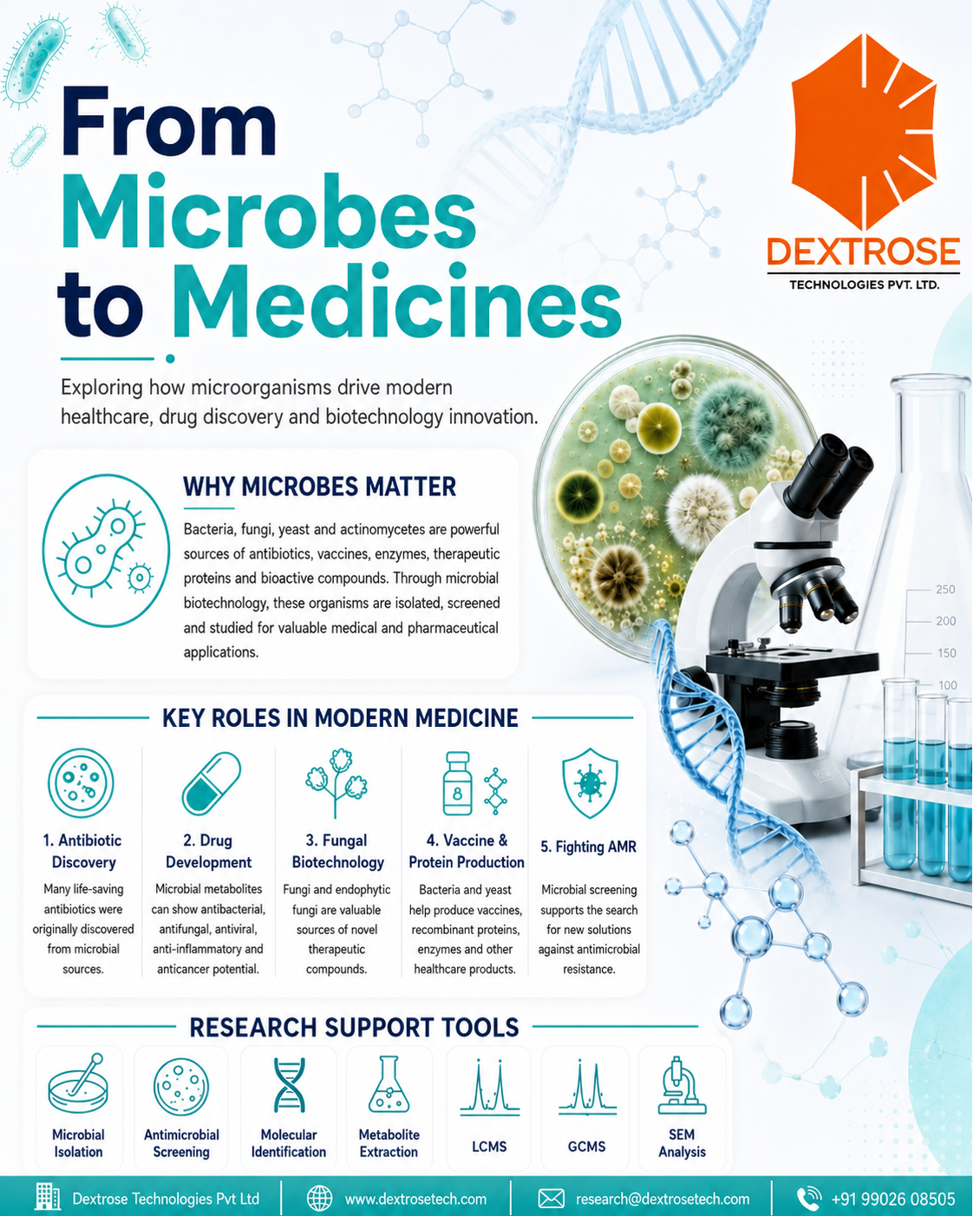
Microbes such as bacteria, fungi, yeast, and actinomycetes play a major role in biotechnology and healthcare. Beyond causing infections, they are valuable sources of antibiotics, enzymes, vaccines, therapeutic proteins, and bioactive compounds.
>> Microbial Biotechnology
Microorganisms produce diverse natural compounds with antibacterial, antifungal, antiviral, anti-inflammatory, and anticancer potential. Through microbial biotechnology, these organisms are isolated, cultured, screened, and studied for possible medical and pharmaceutical applications.
>> Microbes in Drug Discovery
Many important medicines, especially antibiotics, were originally discovered from microbes. Scientists screen microbial extracts to identify active compounds that can fight infectious diseases, including antibiotic-resistant pathogens.
>> Fungi and Endophytes in Medicine
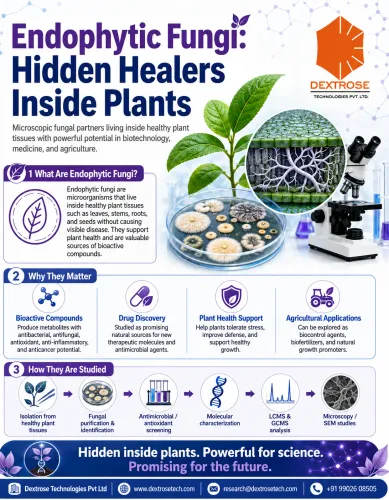
Fungi are important producers of medicinal compounds. Endophytic fungi, which live inside plants without causing disease, are especially valuable because they can produce novel metabolites with antimicrobial and therapeutic potential.
>> Vaccine and Protein Production
Bacteria and yeast are widely used to produce vaccines, recombinant proteins, enzymes, and other therapeutic molecules. These microbial systems support large-scale, controlled, and cost-effective production of healthcare products.
>> Research Support
The development of microbial-based medicines requires techniques such as microbial isolation, antimicrobial screening, molecular identification, metabolite extraction, LCMS, GCMS, and SEM analysis. These methods help researchers identify useful microbes and understand their bioactive compounds.
>> Conclusion
Microbes are powerful tools for modern medicine. From antibiotics and vaccines to enzymes and therapeutic compounds, they continue to support drug discovery, healthcare innovation, and biotechnology research.