

>> Historic Breakthrough: First Gene Therapy for Genetic Deafness Approved
The US Food and Drug Administration (FDA) has approved the world’s first gene therapy for genetic deafness, marking a major milestone in both genetic medicine and otolaryngology. The therapy, developed by Regeneron and named Otarmeni, targets a rare form of hereditary hearing loss caused by mutations in the OTOF gene. This approval represents a significant shift from traditional treatments like cochlear implants toward precision genetic correction.
>> Exceptional Clinical Results Raise Expectations
Clinical data from the ongoing CHORD trial highlights remarkable outcomes. Around 80% of patients showed significant hearing improvement, while 42% achieved near-normal hearing, including the ability to detect whispers—something previously impossible for these individuals.
In detailed follow-ups, most participants demonstrated meaningful recovery, with several achieving normal hearing levels within 48 weeks. These results have exceeded expectations in the scientific community and are likely to accelerate research investment in hearing-related gene therapies.
>> How the Therapy Works
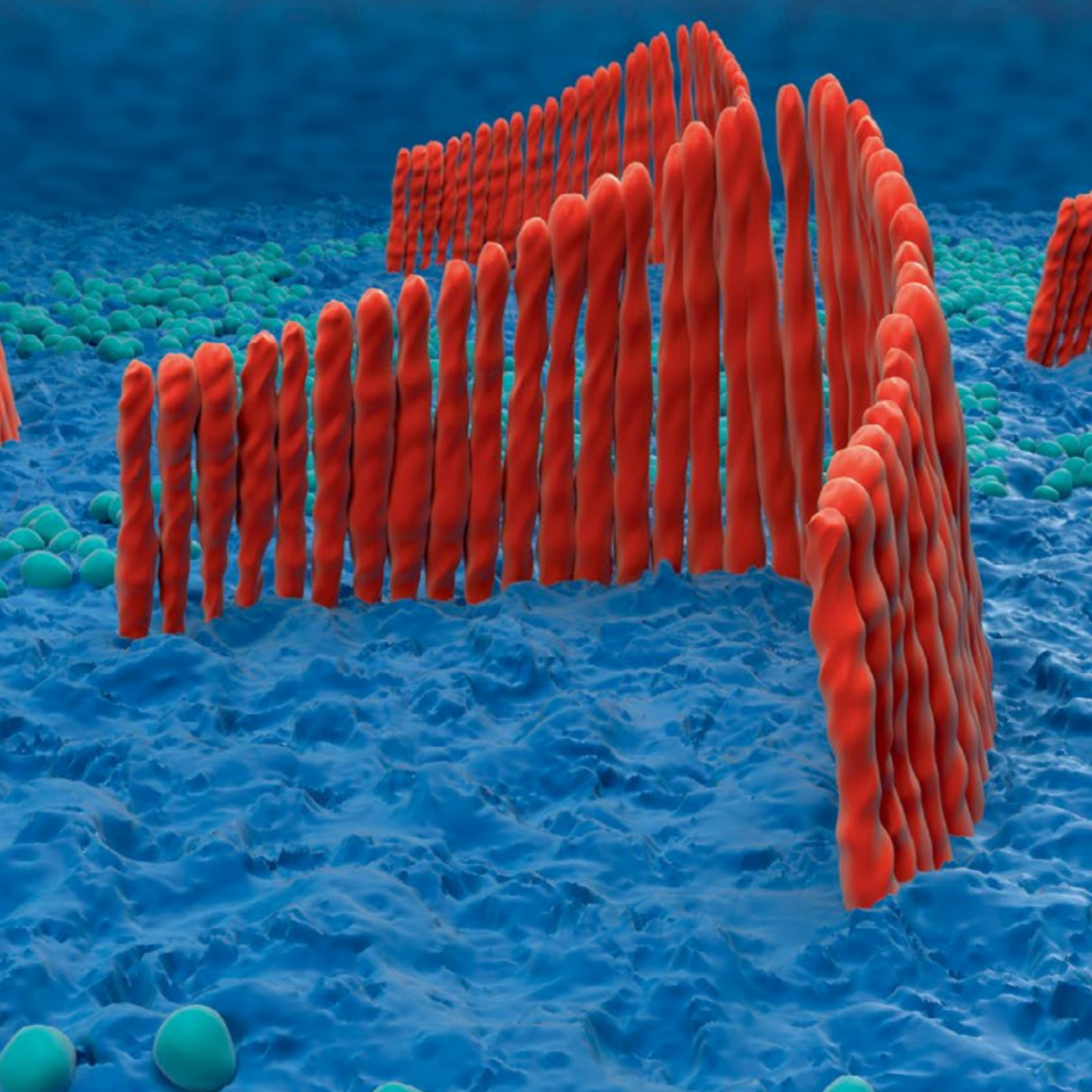
Otarmeni works by delivering a functional version of the otoferlin protein, which is essential for converting sound vibrations into nerve signals in the inner ear. Since the OTOF gene is too large for standard delivery systems, researchers used a dual adeno-associated virus (AAV) vector approach, enabling the gene to be reassembled inside inner ear cells.
This targeted approach ensures expression specifically in cochlear inner hair cells, addressing the root cause of the disorder rather than managing symptoms.
>> Free Access Model Sets New Industry Benchmark
In an unprecedented move, Regeneron has announced that the therapy will be provided free of cost to patients in the United States. This decision reflects a broader effort to ensure accessibility while aligning drug pricing with international benchmarks.
This model could influence future pricing strategies for high-cost gene therapies, especially in rare diseases.
>> Challenges: Limited Genetic Testing and Awareness
Despite the breakthrough, a key limitation remains—low rates of genetic testing among patients with hearing loss. Many eligible individuals may not be identified due to gaps in diagnosis and screening.
Experts suggest this approval could drive the adoption of universal genetic testing for newborns with hearing impairment, enabling earlier intervention and better long-term outcomes.
>> Expanding Pipeline and Industry Momentum
The approval has already triggered increased activity in the biotech sector. Multiple companies and research institutions are developing similar therapies, using different delivery mechanisms and gene-editing technologies.
Notably, collaborations and investments exceeding $1 billion are being directed toward hereditary deafness treatments, signaling strong confidence in this emerging field.
>> Limited Scope but Strong Proof of Concept
Currently, otoferlin-related hearing loss accounts for only 1–3% of congenital cases, but the success of this therapy provides a powerful proof of concept.
With over 150 genes linked to genetic hearing loss, this breakthrough opens the door for broader applications, including therapies targeting more common genetic mutations such as GJB2.
Future Outlook: A Turning Point in Hearing Loss Treatment
This approval represents more than a single therapy—it marks the beginning of a new era in treating sensory disorders through genetic medicine. As research advances, gene therapy could transition from niche applications to mainstream treatment options, fundamentally transforming how hearing loss is managed worldwide.