
>> Glassware Cleaning: A Critical Food Safety Control
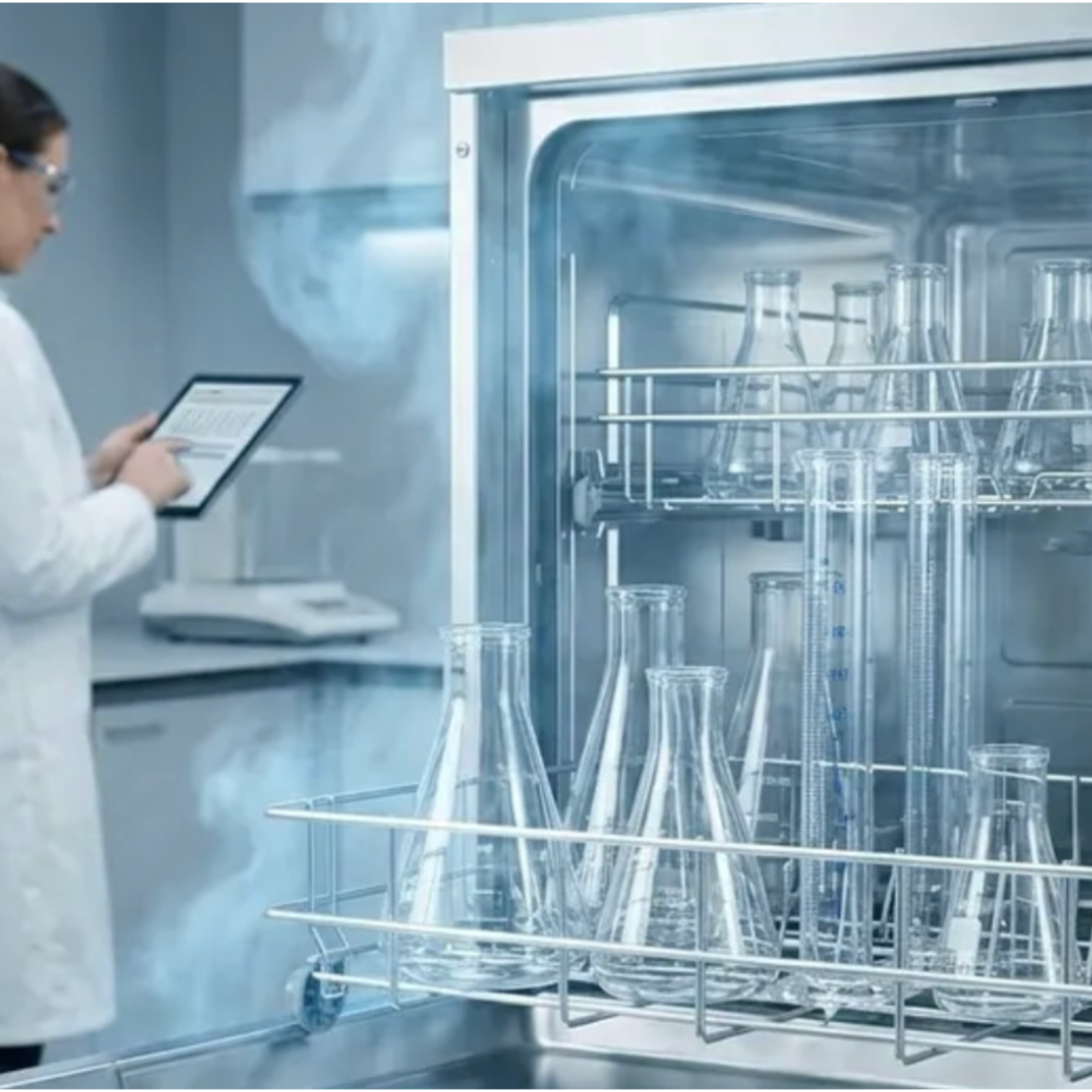
Food science laboratories operate under strict contamination control requirements, where the cleanliness of analytical glassware is essential. Even a single improperly cleaned item can introduce allergens, microbial residues, or chemical carry-over into samples, leading to invalid results, regulatory issues, or product recalls. Automated glassware washers ensure consistent, validated cleaning with proper documentation, helping laboratories comply with the FDA Food Safety Modernization Act (FSMA) and maintain analytical integrity.
>> Why Allergen Residues Matter
Allergen cross-contamination is a leading cause of food recalls, making glassware cleaning a critical safety concern. Regulations require laboratories to implement validated and reproducible cleaning procedures for all equipment. The FDA identifies nine major allergens—milk, eggs, fish, shellfish, tree nuts, peanuts, wheat, soy, and sesame—and even trace residues can pose serious risks. Importantly, visually clean glassware may still contain detectable allergen proteins, highlighting the limitations of relying on appearance alone.
>> Limitations of Manual Cleaning
Manual washing methods are inherently inconsistent, as factors such as water temperature, detergent concentration, rinse efficiency, and contact time vary between individuals and processes. These variations can lead to incomplete removal of residues, even with careful handling. Studies using ELISA-based testing have shown that protein traces can remain on glassware after manual cleaning, making it an unreliable approach for strict food safety standards.
>> How Automated Glassware Washers Improve Compliance
Automated glassware washers eliminate variability by using controlled, programmable cycles that deliver consistent results. They regulate key parameters such as temperature, detergent dosing, and rinsing conditions, ensuring effective removal of contaminants. In addition to operational consistency, these systems generate time-stamped cycle records, which are essential for validation, verification, and regulatory audits, supporting compliance with FSMA sanitation requirements.
>> Features Supporting Food Safety
Modern glassware washers include features designed specifically for food laboratory applications. Programmable cycles enable high-temperature cleaning for protein removal, while conductivity monitoring ensures that rinse water is free from residues. Automated data logging provides traceable records for audits, and dedicated racks help prevent cross-contamination between different sample types. Precise detergent dosing further enhances cleaning reliability by eliminating manual measurement errors.
>> Selecting the Right Cleaning Approach
Effective cleaning depends on the type of sample being analyzed. Protein-rich samples, such as dairy or egg-based materials, require alkaline detergents and elevated temperatures to break down residues. Fat-rich samples, including oils and chocolate, benefit from pre-rinse cycles to remove lipids before the main wash. Selecting the appropriate cleaning program ensures complete residue removal while protecting glassware integrity.
>> Conclusion
Automated glassware washers are a critical component of modern food science laboratories. By delivering consistent cleaning performance, ensuring proper documentation, and supporting regulatory compliance, they play a key role in preventing contamination, safeguarding food safety, and maintaining the reliability of analytical results.