
>> Introduction: A New Mechanism of Gene Sharing in Bacteria
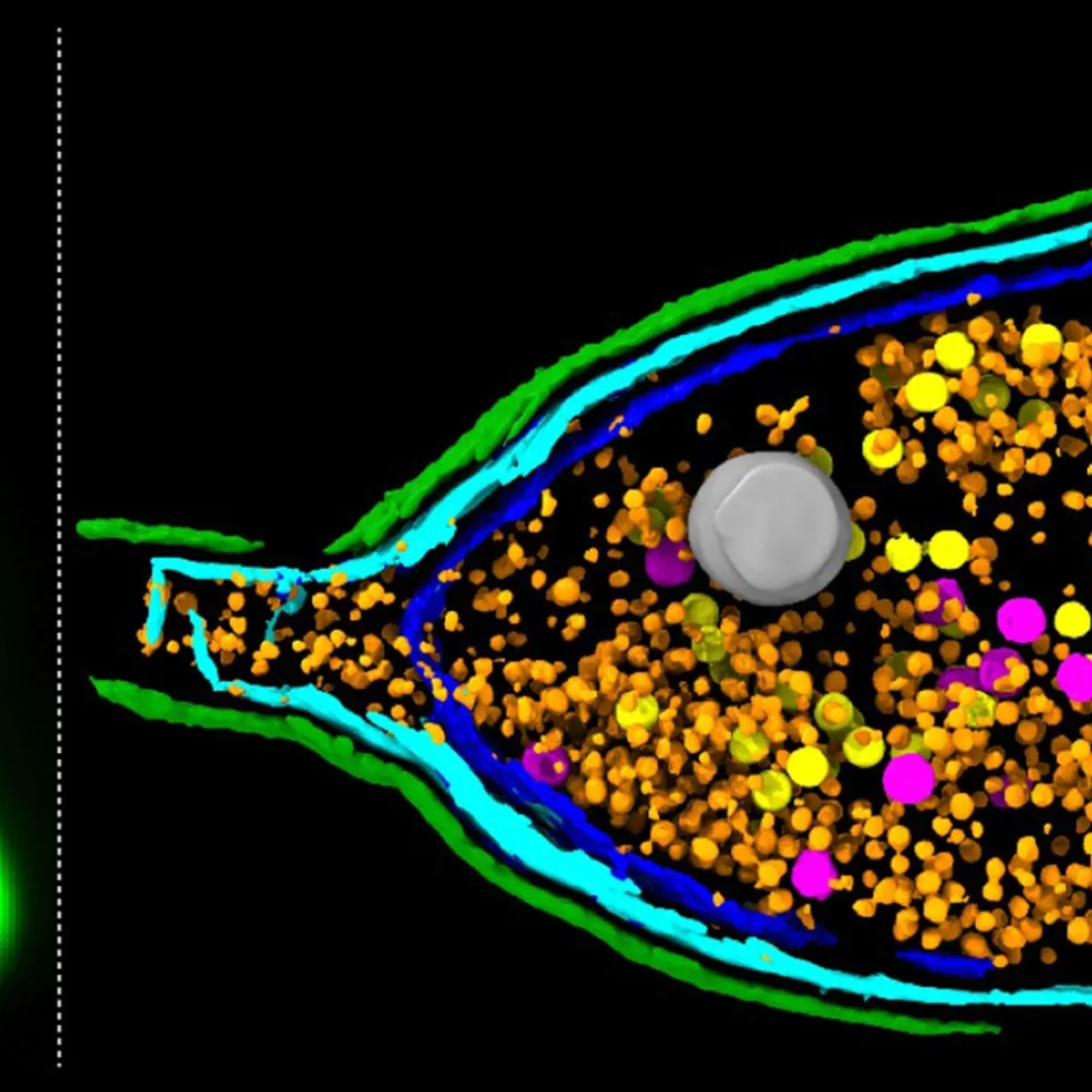
Recent research has uncovered an unexpected mechanism by which bacteria exchange genetic material, including genes responsible for antibiotic resistance. Central to this discovery are gene transfer agents (GTAs)—tiny virus-like particles that have evolved from ancient viral invaders. Rather than harming bacteria, these particles now function as controlled delivery systems, enabling DNA transfer between neighboring cells.
>> The content you provided is based on a research study published in Nature Microbiology and reported by researchers from the John Innes Centre, in collaboration with the University of York and the Rowland Institute at Harvard.
Primary Source
Journal: Nature Microbiology
Study Focus: Gene transfer agents (GTAs) and the LypABC system in Caulobacter crescentus
Supporting Source / Research Institution
John Innes Centre (UK) – Official research communication and summary of the study
Lead researcher mentioned: Dr. Emma Banks (Royal Commission for the Exhibition of 1851 Research Fellow)
>> What Are Gene Transfer Agents (GTAs)?
GTAs resemble bacteriophages, the viruses that typically infect bacteria. However, unlike active viruses, GTAs are no longer infectious. Over time, bacteria have “domesticated” these viral remnants and repurposed them for their own benefit. These particles package fragments of bacterial DNA and transport them to nearby cells, facilitating genetic exchange.
>> Horizontal Gene Transfer and Its Impact
This GTA-mediated process is a form of horizontal gene transfer—a mechanism that allows bacteria to rapidly acquire new traits without reproduction. Of particular concern is the spread of antibiotic resistance genes, which can move quickly through bacterial populations, making infections harder to treat and contributing to the global antimicrobial resistance (AMR) crisis.
>> The Role of Cell Lysis in GTA Release
For GTAs to function, they must be released from the bacterial cell. This occurs through host cell lysis, where the cell membrane breaks open, releasing DNA-packed particles into the environment. Until recently, the exact mechanism controlling this process remained unclear.
>> Discovery of the LypABC Gene Cluster
A study published in Nature Microbiology identified a crucial three-gene system—LypABC—in the bacterium Caulobacter crescentus. Using advanced deep sequencing techniques, researchers found that this gene cluster acts as a central control hub for cell lysis.
When the lypABC genes were deleted, bacterial cells failed to lyse, preventing GTA release.
When the genes were overexpressed, a large proportion of cells underwent lysis.
These findings confirm that LypABC is essential for enabling GTA-mediated DNA transfer.
>> A Repurposed Immune System
One of the most striking aspects of the study is that LypABC resembles a bacterial anti-phage immune system. Typically, such systems protect bacteria from viral infections. However, in this case, bacteria have repurposed these defense components to facilitate gene transfer. This highlights the remarkable adaptability of bacterial systems, where existing biological tools are reused for entirely different functions.
>> Regulation and Cellular Survival
The study also identified regulatory mechanisms that tightly control LypABC activity. This regulation is critical because uncontrolled activation can lead to excessive cell lysis, which is harmful to bacterial populations. Maintaining this balance ensures that GTAs are released efficiently without compromising overall survival.
>> Implications for Antibiotic Resistance
Understanding how GTAs operate provides valuable insight into how antibiotic resistance spreads. Since these particles enable rapid gene sharing, they play a significant role in disseminating resistance traits across bacterial communities. Targeting such mechanisms could open new avenues for controlling the spread of AMR.
>> Conclusion: Expanding Our Understanding of Bacterial Evolution
This research sheds light on how bacteria transform former threats into functional tools. By repurposing viral components into gene delivery systems, bacteria have developed an efficient method for genetic exchange. These findings not only deepen our understanding of microbial evolution but also highlight potential strategies to combat the growing challenge of antibiotic resistance.