

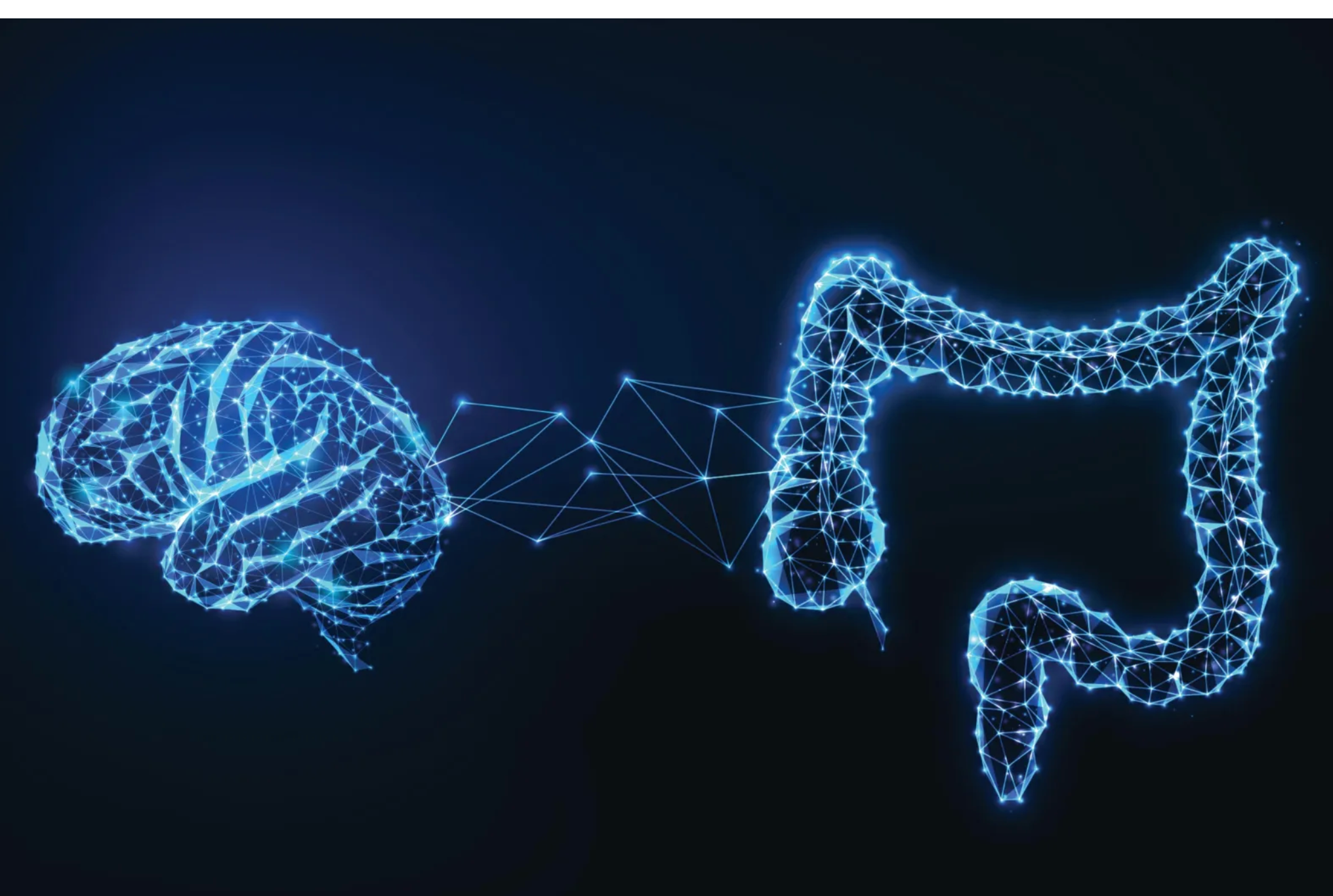
>> New Research Reveals How the Gut Signals the Brain During Protein Deficiency
Scientists have discovered a previously unknown gut-brain communication system that helps the body detect protein deficiency and redirect food cravings toward essential nutrients. The study, led by researchers at the Institute for Basic Science in collaboration with Seoul National University and Ewha Womans University, reveals that the gut does far more than digest food. It actively monitors nutritional status and sends targeted signals to the brain when essential amino acids are lacking.
>> The Body Does Not Just Become Hungry — It Becomes Nutrient-Specific
When the body is short of protein, animals do not simply eat more food. Instead, the brain appears to shift feeding behavior toward foods containing essential amino acids, the building blocks of protein that cannot be produced by the body and must come from the diet. This finding helps explain why nutrient deficiencies may trigger highly specific cravings rather than general hunger.
>> Two Gut-Brain Pathways Work Together
The researchers found that protein deficiency activates two coordinated signaling routes between the gut and brain. The first is a rapid neural pathway, where signals from the intestine quickly reach the brain through gut-associated neurons. The second is a slower hormonal pathway, where a peptide hormone called CNMa circulates through the body and reinforces the drive to seek essential amino acids over time.
In fruit fly experiments, protein deprivation caused specialized intestinal cells to release CNMa. This signal activated enteric neurons linked to the gut and then influenced brain circuits responsible for feeding decisions. At the same time, CNMa also acted as a hormone, helping sustain the animal’s preference for protein-related nutrients.
>> Protein Deficiency Can Reduce Sugar Preference
One of the most important findings was that this system does not merely increase appetite. It changes food preference. During protein shortage, the gut-brain signal increased attraction to essential amino acids while reducing interest in sugar. The researchers found that CNMa suppressed sugar-sensitive DH44 neurons in the brain, shifting feeding behavior away from carbohydrates and toward protein-rich nutrients.
>> Gut Microbes May Influence Nutrient Cravings
The study also suggests that the gut microbiome plays a role in regulating nutrient-seeking behavior. Fruit flies without normal gut microbes showed stronger activation of amino-acid-seeking brain neurons. This indicates that gut bacteria may influence how available nutrients are sensed and how strongly the brain responds to nutritional imbalance.
>> Similar Protein-Seeking Behavior Seen in Mice
The research team also observed similar behavior in mice. When mice were deprived of protein, they developed a strong preference for essential amino acids. Interestingly, this behavior continued even in mice lacking FGF21, a hormone previously thought to be central to protein appetite in mammals. This suggests that additional nutrient-sensing systems may exist and remain to be discovered.
>> Why This Discovery Matters
This study provides fresh insight into how the body selects food based on biological need. It shows that the gut can act as a sensory organ, detecting nutrient shortages and guiding the brain toward specific dietary choices. The discovery could improve scientific understanding of appetite regulation, obesity, metabolic disorders, and eating disorders.
Many current appetite-control and obesity treatments target gut hormones. By identifying natural gut-brain circuits that influence food preference, this research may support future therapeutic strategies designed to correct unhealthy eating patterns or improve nutrient balance.
>> A New View of Appetite and Nutrition
The findings challenge the simple idea that cravings are only psychological or habit-based. Instead, they show that the body has biological systems capable of detecting missing nutrients and reshaping desire for specific foods. As research continues, this gut-brain network may become an important area of study in nutrition science, metabolic health, and appetite regulation.