
>> Turning Waste into Food with Fungi
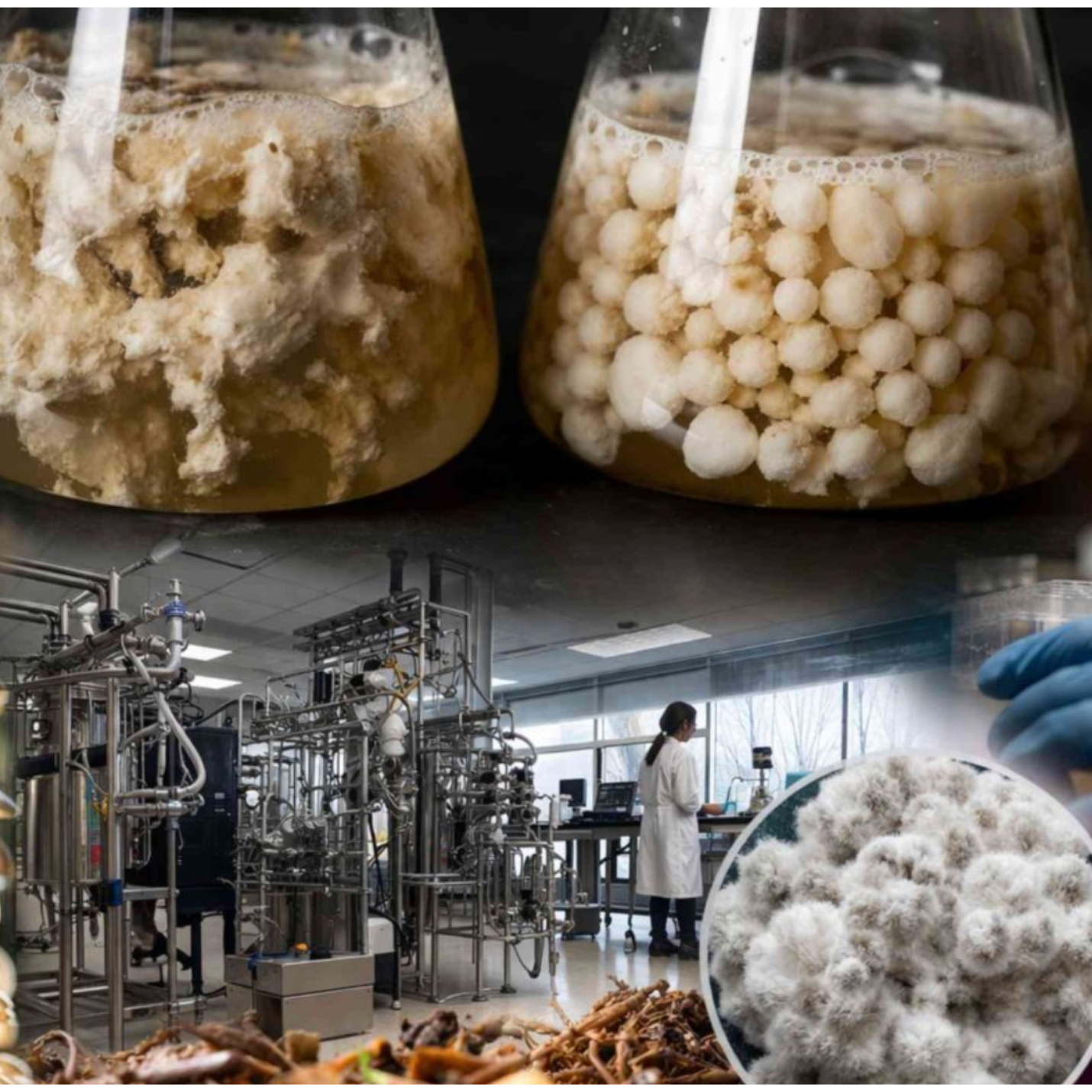
Agricultural and food waste already contain carbon and essential minerals, allowing fungi to convert these materials into protein-rich biomass without requiring additional farmland. This makes fungal systems a promising solution for sustainable food production. However, this potential depends on the input material being clean, consistent, and cost-effective for large-scale use.
>> Natural Structure of Mycelium
Fungi grow through mycelium, a dense network of filaments that naturally forms fibrous structures similar to meat. This inherent texture reduces the need for extensive processing required in many plant-based proteins to achieve desirable chewiness, moisture retention, and shape.
>> Proven but Limited Adoption
Commercial mycoprotein—fungal biomass used as food—has already demonstrated success in the market for decades. Despite this, only specific fungal strains are approved for consumption, limiting the speed at which new products can be developed and introduced.
>> Unlocking Nutrients from Plant Waste
Organic residues such as apple pulp, grape skins, and crop trimmings are nutrient-rich but structurally complex, making them difficult for fungi to digest. To address this, producers use pretreatment methods—including mechanical, thermal, or biological processes—to break down plant material and release accessible sugars. Cost-effective and environmentally friendly pretreatment is critical for maintaining the viability of this approach.
>> Challenges in Scaling Up
While the concept is promising, scaling fungal food production remains challenging. Key hurdles include developing efficient pretreatment techniques, maintaining stable large-scale fermentation systems, and ensuring consistent flavor and texture. Additionally, investors and regulators require reliable proof that quality can be maintained despite variability in raw materials.
>> Future of Fungal Foods
Fungi represent more than just an alternative protein source—they offer a pathway to convert waste into valuable nutrition. However, widespread adoption will depend on aligning economic feasibility, regulatory approval, and consumer acceptance. Until then, fungal food systems remain promising but still evolving.